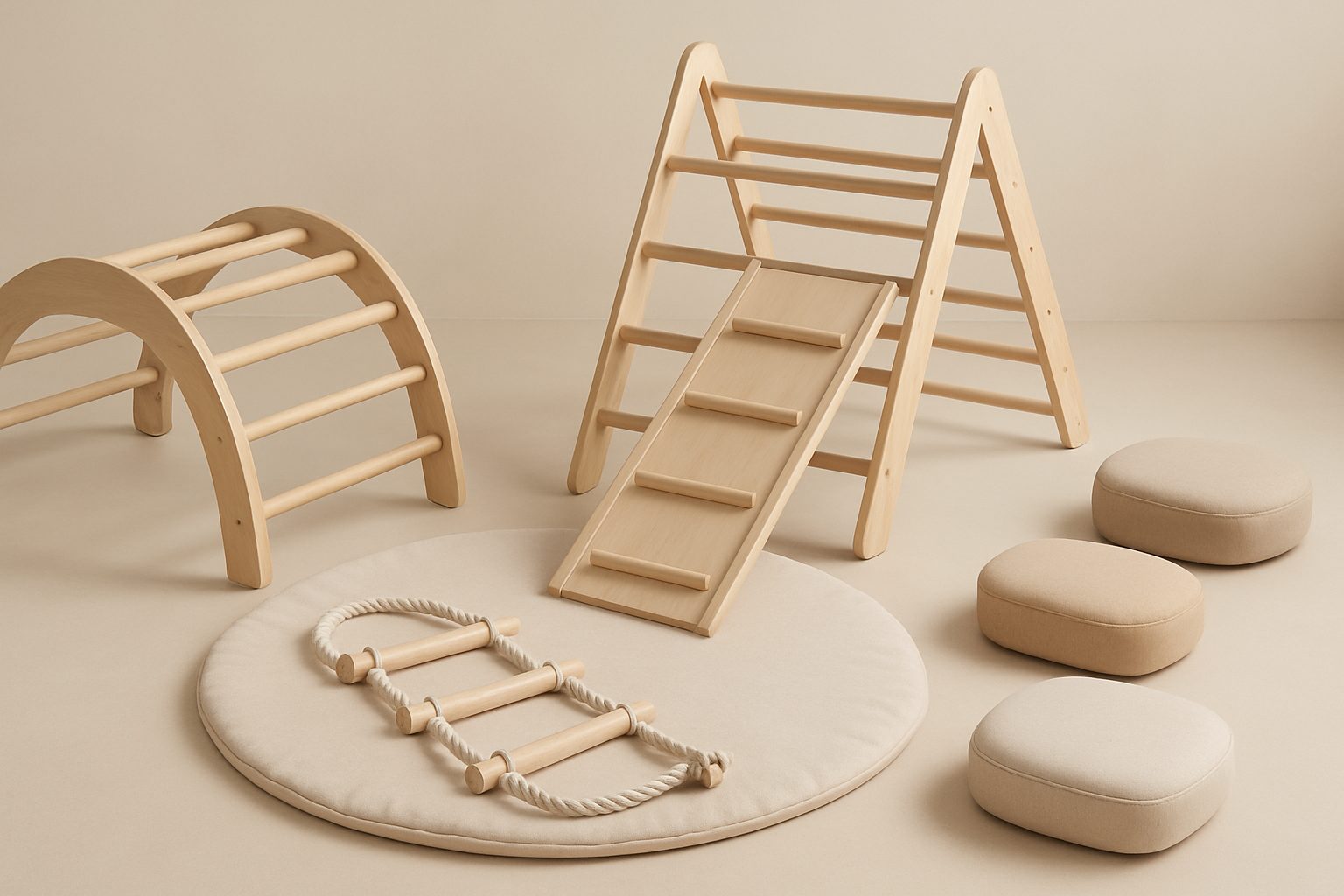
Indoor Climbing Frames with Sensory Features UK: Best Options for SEN & Sensory Play
Children with autism, sensory processing disorder, and other sensory sensitivities often benefit from movement-based play that offers controlled proprioceptive and vestibular input. Indoor climbing frames are excellent for this—but standard versions miss what many children actually need. Sensory-focused climbing frames combine physical challenge with tactile feedback, visual calm, and predictable movement patterns that support regulation and confidence.
This guide covers what to look for, real design features that make a difference, and specific options available in the UK market.
Why Sensory Features Matter in Climbing Play
Climbing itself provides natural proprioceptive input (pressure through muscles and joints), which is often calming and organizing for children with sensory processing needs. Adding sensory layers—textured grips, soft surfaces, enclosed tunnels—deepens this benefit and makes the play more engaging for children who might find standard plastic or metal frames either too stimulating or not interesting enough.
Sensory features also reduce anxiety. Predictable colours, enclosed spaces, and tactile landmarks help children understand the equipment and feel more in control. This often translates to longer, more confident play and genuine skill development.
Key Sensory Features to Look For
Tactile variety matters more than you'd expect. Textured rope, dimpled handholds, rubber steps, and fabric-wrapped edges give different hand and foot feedback, which keeps play interesting and supports fine motor control. Children with sensory sensitivities often fixate on particular textures—so variety lets each child find what works for them.
Enclosed spaces and tunnels provide the deep-pressure calm that many children crave. Even short fabric tunnels or covered archways offer this without turning the frame into a closed hideaway that limits supervision.
Colour psychology is genuine here. Soft, muted tones (sage, soft grey, warm beige) promote calm, while bright primary colours can overstimulate. Some frames let you choose fabric and trim colours, which is worth the extra cost if your child finds harsh colours distressing.
Visual clarity means handholds, steps, and edges should contrast clearly against the frame. High-contrast grips reduce visual processing load and make climbing safer for children with coordination differences.
Safety surfaces should be soft underfoot but firm enough not to destabilize climbing. 30–50mm foam or rubber is standard; some premium frames use thicker, denser foam that feels more substantial.
Types of Sensory-Friendly Climbing Frames
Budget multi-activity frames (£400–800) typically combine a climbing wall, slide, and small tunnel in compact footprints. Brands like TP Toys and Plum offer basic versions with fabric trim options. These work well for younger children (2–5 years) and tight spaces, though texture variety is limited.
Mid-range modular systems (£800–1,500) let you mix components—climbing net, balance beam, textured panels—and adjust as your child's needs evolve. Companies like Wicksteed and some specialist SEN suppliers offer this flexibility. You're paying for adaptability, not just raw frame size.
Premium bespoke frames (£1,500+) are made-to-order by specialist manufacturers. Firms like Kompan and Play Appeal design for sensory needs explicitly: they offer custom colour schemes, thicker padding, varied grip textures, and enclosed elements. If your child has high sensory needs or you're outfitting a setting (school, therapy space), this investment often lasts longer and keeps children engaged deeper into childhood.
What to Consider Before Buying
Space and layout: Measure floor area and ceiling height carefully. Sensory play benefits from room to move around the frame, not just climb it. A tunnel attachment that's 1m long needs at least 1.5m clear floor space in front.
Age range: Most domestic frames suit 18 months–8 years. If you're buying for a child at the older end, check weight limits and whether climbing surfaces will challenge them. Some children grow into frames quickly; others use them for years.
Supervision sight lines: If your frame has enclosed tunnels or covered areas, ensure you can see inside easily. This matters especially for children who are prone to anxiety or who need reassurance while playing.
Installation and anchoring: Sensory frames get used intensively, so they need secure anchoring. Check whether the manufacturer provides ground anchors and whether your floor (concrete, wood, carpet) allows proper installation. Poor anchoring is a genuine safety issue.
Maintenance: Fabric-covered elements and textured grips need occasional cleaning. Ask suppliers about washability and how long components typically last before wear.
Options to Research in the UK
Look at TP Toys' Challenger range (budget, fabric trim options), Plum Play's multi-activity sets (good value, solid design), and Wicksteed's modular outdoor frames (adaptable for smaller indoor adaptations). For specialist sensory design, contact occupational therapy equipment suppliers or local sensory play centres—they often stock or recommend frames specifically chosen for children with processing differences.
Many suppliers offer custom colour options now, even at mid-range prices, which is worth asking about.
Getting the Right Fit
The best frame is one your child will actually use repeatedly. That means matching the sensory profile (bright extroverts might thrive with open, colourful designs; quieter children benefit from softer, enclosed options), choosing textures your child gravitates toward, and honestly assessing your space.
Try to see frames in person if possible—particularly the enclosed elements and grips—so you can feel what your child will experience. Supplier showrooms, school SEN equipment fairs, and parent groups often have frames set up.
Sensory-focused climbing play is an investment in physical development and emotional regulation. Choosing equipment with genuine sensory consideration—not just marketing language—makes the difference between equipment that sits unused and a genuine tool your child reaches for daily.
More options
- Indoor Climbing Frames – General UK (Amazon UK) (Amazon UK)
- Toddler & Baby Climbing Frames UK (Amazon UK) (Amazon UK)
- Wooden Indoor Climbing Frame & Play Gym (Amazon UK) (Amazon UK)
- Freestanding Kids Climbing Wall & Boulder Panel (Amazon UK) (Amazon UK)
- TP Toys & Plum Play Indoor Frames (Amazon UK) (Amazon UK)